





















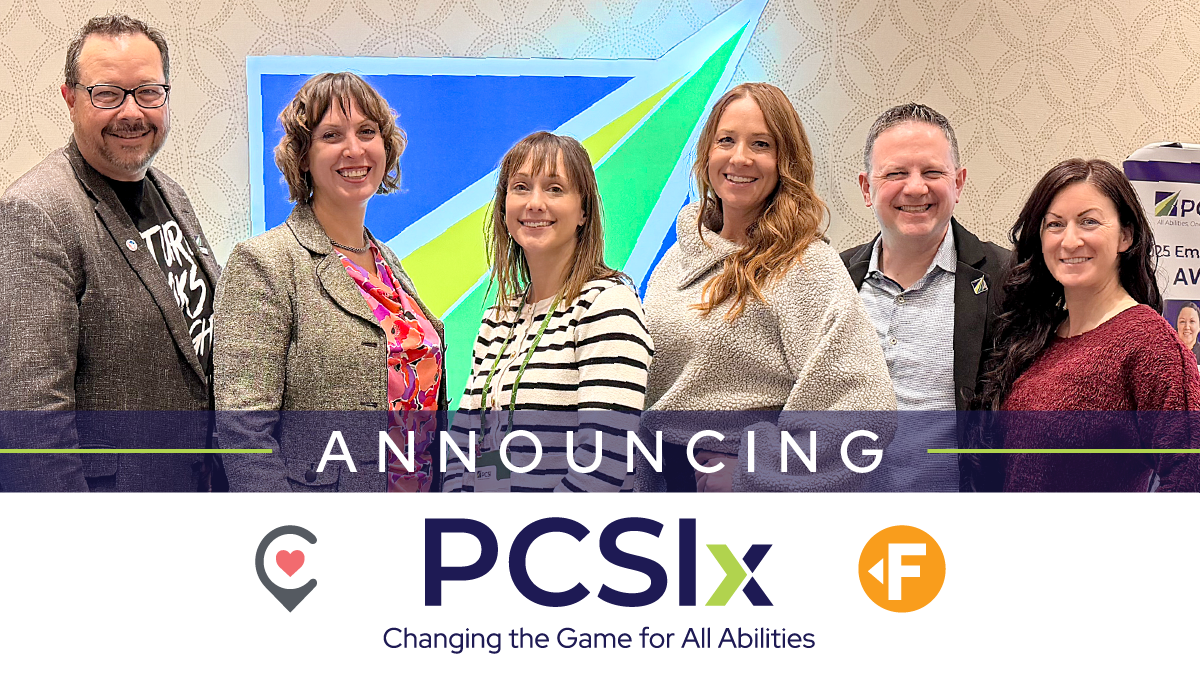
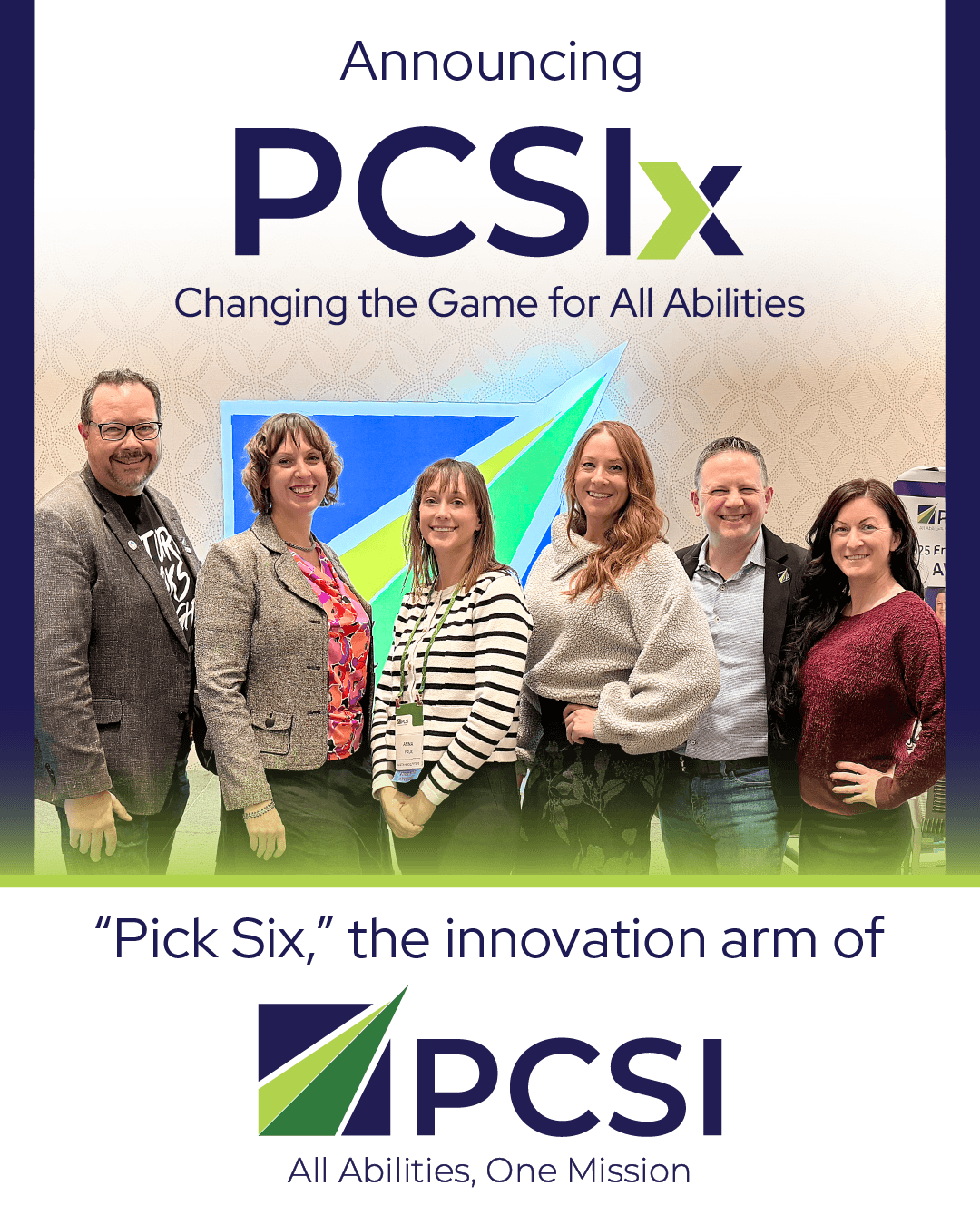
PCSI Completes Acquisition of CareStarter and Feedback, Launching PCSIx Innovation Unit
Austin-based Professional Contract Services, Inc. (PCSI), an award-winning, national nonprofit focused on employing people with disabilities announced the acquisition of CareStarter and Feedback, two tech companies that form the foundation of the organization’s newly launched innovation unit — PCSIx (pronounced “Pick Six”). The move represents a strategic step in PCSI’s mission to enhance the lives of people with disabilities through employment, advocacy, partnership and innovation through the mission-driven approach of advancing impact for people with disabilities and their families.
“With more than one-quarter of the U.S. population living with a disability, the need for solutions that endure is clear,” said Tony Cucolo, President and CEO of PCSI. “PCSIx reflects our commitment to strengthening the systems that support employment and opportunity, using innovation to expand our mission over the long term.”
Through this acquisition, PCSI is establishing PCSIx as a centralized innovation unit designed to integrate teams, processes, and technology in support of mission driven innovation.
“PCSIx embodies the spirit of inclusive innovation,” said Lamarque Polvado, Executive Director of PCSIx. “By intercepting barriers, harnessing untapped potential and rapidly transforming insight into impact, PCSIx identifies and scales solutions that strengthen how PCSI delivers on its mission.”
CareStarter was founded in 2013 to automate care coordination and accelerate resource connections for patients and families. Feedback was founded in 2009 to leverage ethnographic research to drive results. CareStarter merged with Feedback, in 2021, adding world-class behavioral science to its platform. The merger united human-centered design and advocacy, helping providers better understand the lived experience of patients and families.
“For change to work at scale, it has to be grounded in how people actually behave,” said Dean Browell, Chief Behavioral Officer. “As part of PCSIx, Feedback is a company that analyzes unprompted human behavior across digital environments, generating insights that help organizations shape solutions around real needs and strengthen workforce engagement, service delivery, and community impact.”
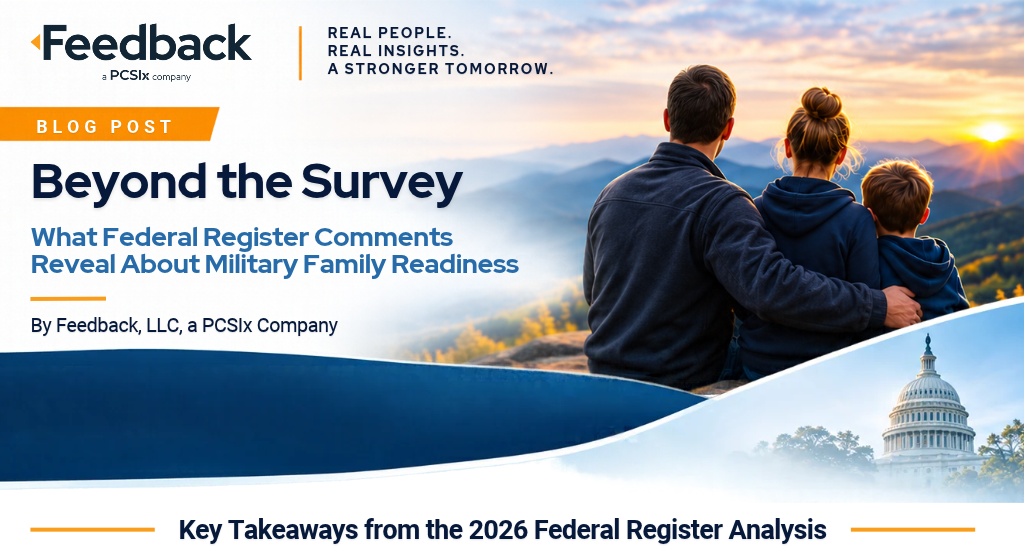
The military’s existing program that provides support to military families who have children with special needs, the Exceptional Family Member Program provides an early opportunity to apply these capabilities at scale. PCSI identified the program’s potential to improve how military families access disability-related services as a key factor in the acquisition. While EFMP represents an initial focus, PCSIx is designed to extend beyond a single initiative, combining technology, behavioral science and nearly three decades of federal contract performance to modernize public programs serving people with disabilities and their families.
###
About PCSI
Professional Contract Services, Inc. (PCSI) is a mission-driven, nationwide nonprofit providing meaningful employment for people with disabilities and Veterans. PCSI prepares, leads and sustains a skilled workforce that provides top-tier services at job sites across the country. Since 1996, PCSI has delivered exceptional results for its customers while creating rewarding career opportunities for over 2,000 people with disabilities and Veterans in meaningful, customer-facing jobs with competitive wages and benefits. As champions of fairness and experts on law and policy, PCSI works to strengthen the community of people with disabilities and assist other organizations in hiring for full inclusion. To learn more, visit: www.pcsi.org.
About PCSIx
PCSIx (pronounced “Pick Six”) is the innovation unit of Professional Contract Services, Inc. (PCSI). Designed to integrate technology, behavioral insight, and innovation, PCSIx supports PCSI’s mission by strengthening the systems that advance family support, employment and opportunity for people with disabilities.
Q&A:
1. What is PCSI announcing?
PCSI has completed the acquisition of CareStarter and Feedback, forming the foundation of PCSIx, a newly launched innovation unit within PCSI.
2. Why did PCSI acquire CareStarter and Feedback?
Through this acquisition, PCSI is establishing PCSIx to directly strengthen and modernize support for military families enrolled in the Exceptional Family Member Program (EFMP). Building on PCSIx’s foundation of human-centered technology and behavioral insights, the organization will lead a new effort focused on improving access to resources, easing care navigation, and enhancing the overall experience for service members and their families.
3. What is PCSIx?
PCSIx is PCSI’s innovation unit, created to identify and scale solutions that strengthen how PCSI delivers on its mission. PCSIx integrates technology, behavioral insight and informed innovation practices to translate insight into impact.
4. Who are the stakeholders?
Anyone within the community of people with disabilities, healthcare organizations, local/state/federal government entities and military families, including EFMP (Exceptional Family Members Program) participants and employers.
5. Why should stakeholders care?
PCSI is positioning PCSIx to become a national partner in fairness, accessibility, and full inclusion for people with disabilities and their families.
6. How does this acquisition support PCSI’s mission?
PCSI’s goal is to leverage the combined capabilities of PCSIx—including the CareStarter technology platform and Feedback’s behavioral science expertise—to deliver smarter, more connected solutions that reflect the lived experiences and actual needs of EFMP families and be known to all people with disabilities and their families as the most compassionate and capable source of employment and workplace advocacy in the country.
7. What role does Feedback play within PCSIx?
Feedback operates as the behavioral science unit within PCSIx, led by Chief Behavioral Officer, Dean Browell. As part of PCSIx, Feedback analyzes unprompted human behavior across digital environments to generate insights that help organizations adapt solutions to real needs and strengthen workforce engagement, service optimization, and community impact.
8. What role does CareStarter play within PCSIx?
CareStarter is designed to support care coordination and resource connection. CareStarter brings platform capabilities informed by actual caregiving experiences, to automate care connection and accelerate resources for patients and families.
9. Is this an acquisition or a merger?
This is an acquisition. PCSI has completed the acquisition of CareStarter and Feedback, which now serve as the foundation of PCSIx.
9. Is the transaction complete?
Yes. The acquisition is a completed transaction, and PCSIx is being formally introduced as a newly launched innovation unit within PCSI.
10. Who is leading PCSIx?
PCSIx is led by Executive Director Lamarque Polvado, with Feedback’s Chief Behavioral Officer, Dean Browell, and CareStarter’s Director of Innovation and Family Services: Jessica Hulter.
11. Does this change PCSI’s existing operations or customers?
PCSIx is designed to complement and enhance PCSI’s mission and capabilities. The focus of the acquisition is on integration and innovation designed for long-term growth.
12. What is PCSIx’s long-term vision?
PCSIx’s long-term vision is to build the systems, partnerships, and tools needed to scale inclusive innovation and expand opportunities for people with disabilities. We want to change the game for all abilities.
By AccessU
AccessU is a public relations marketing agency that develops strategies and creative work that is tailored to each client. In their nearly 30 years of business, they have won more than 400 awards for creative excellence and communications results. Though they’re not in it for the awards. They care about communicating clearly to multiple stakeholders.
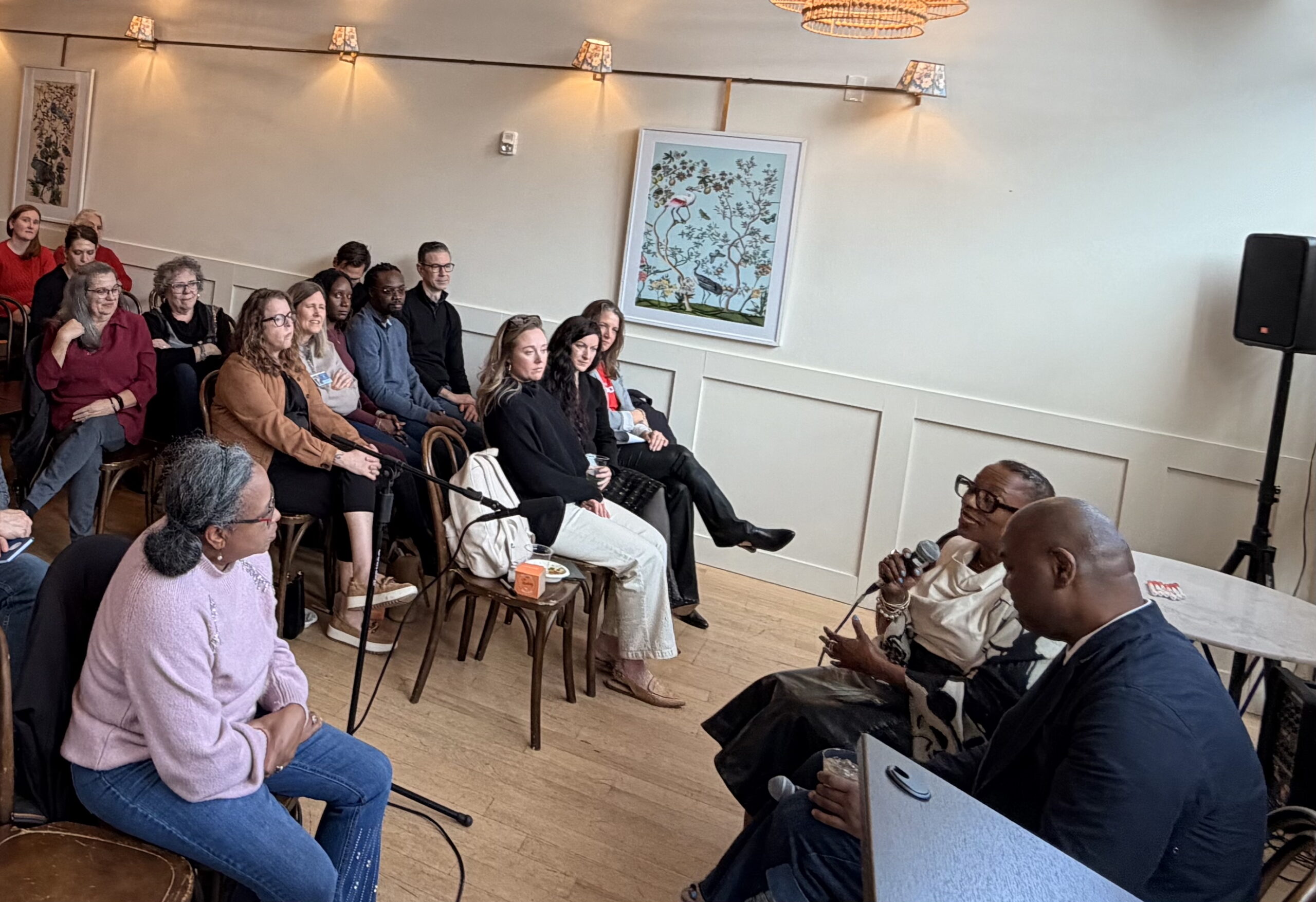
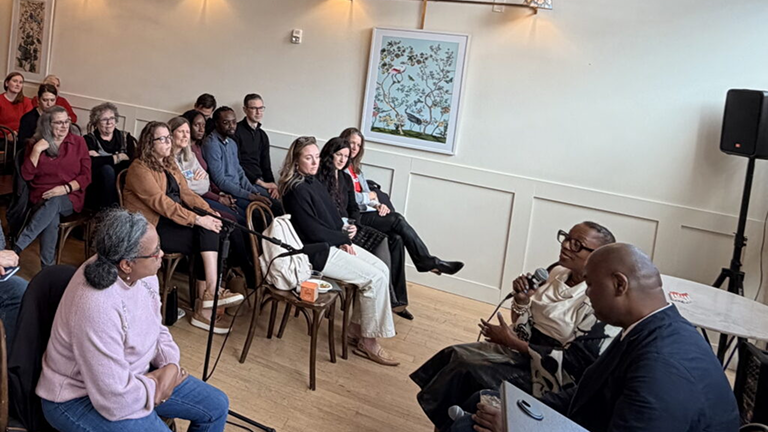
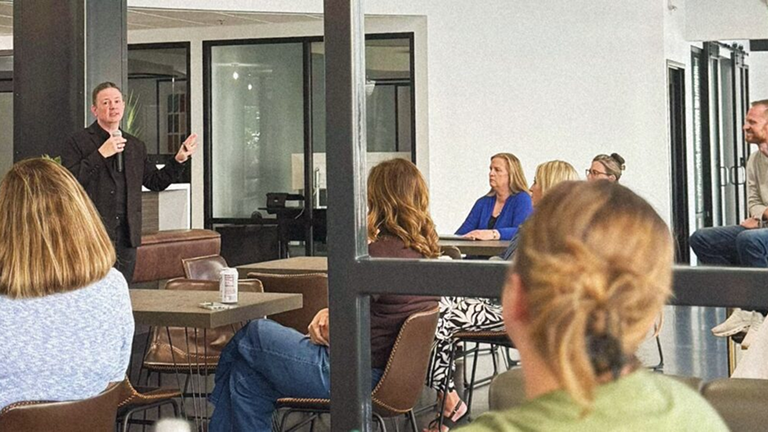
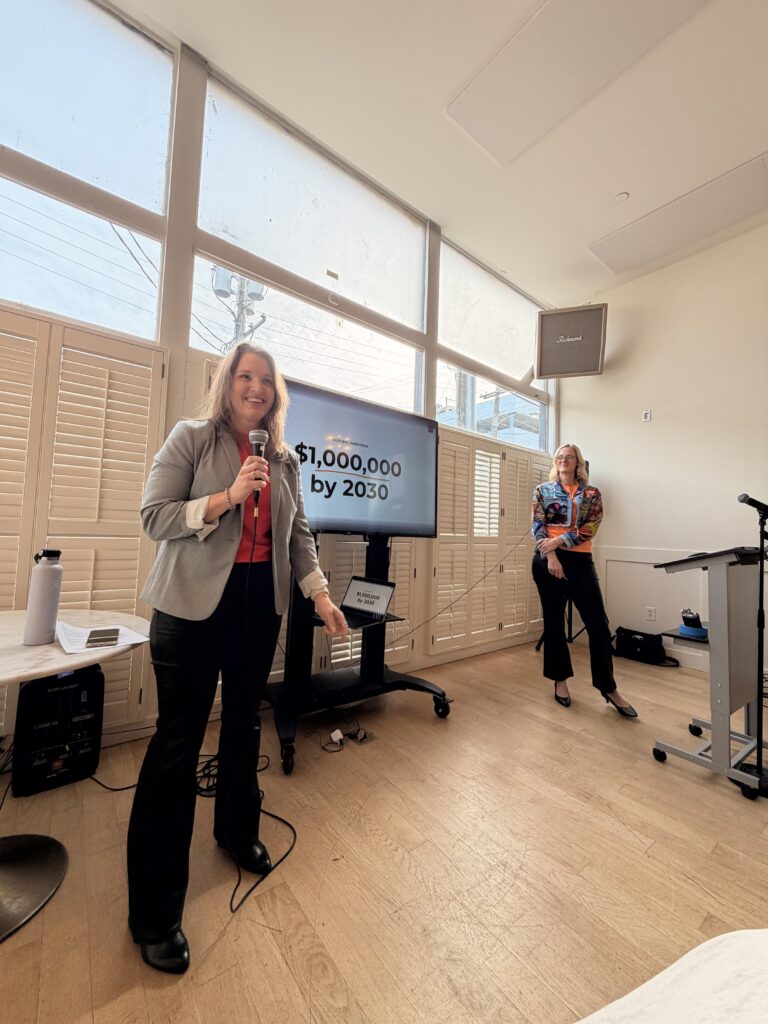
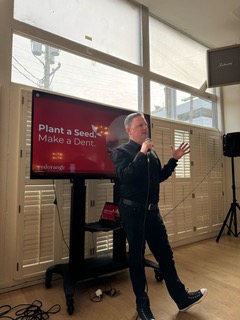
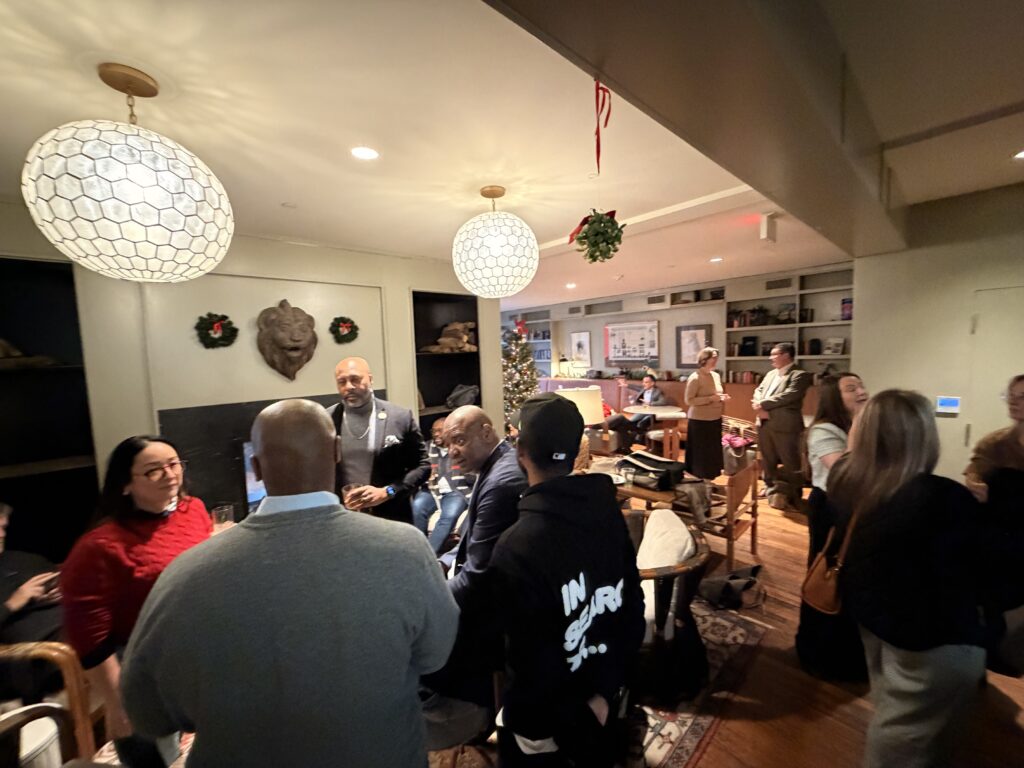
Feedback hosted the ninth annual Dent: Blend community event at Common House in Richmond, Virginia, as 2025 came to a close. An offshoot of the larger four-day conference in Santa Fe, Richmond’s afternoon-sized event featured a powerful set of lenses on the topic of becoming, from the company refocusing to give back to their community, the city undergoing change to represent their people and history, and on a personal level how change can be an opportunity to become more of who you are. With a record audience of over 120 that represented both the region and included voices and perspectives from across the country, the ninth Blend was the largest, most diverse gathering at Common House Richmond yet.
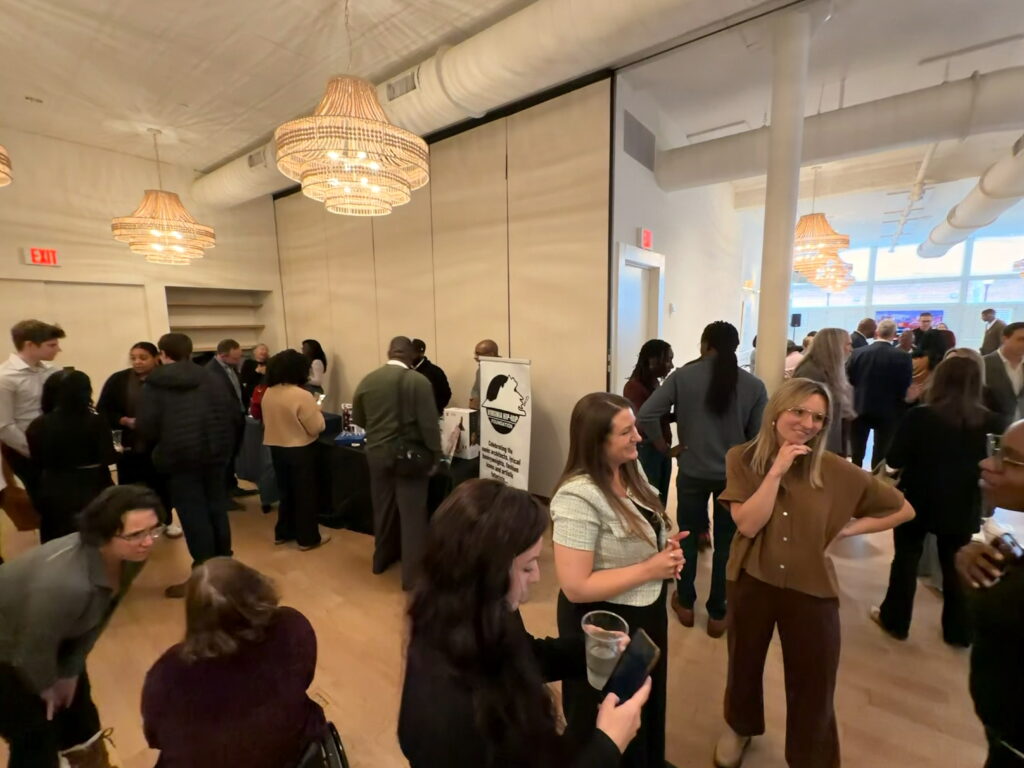
Attendee reactions included:
“Dent is, by far, the most inspirational, generous and authentic gathering I’ve attended! I’m so grateful to be a part of the Dent community!”
“I had no idea what to expect at my first Dent last week, but it was better than I could have imagined. Thank you to you and your team for creating such a moving experience. It was heart led, inspirational and in a safe welcoming environment with community… the trifecta. Cheers to you and the community you have fostered in this space. Already looking forward to the tenth anniversary.”

Featured Speakers and Activities:
Susie Fife & Theresa Ceniccola
Red Orange Studio: https://lnkd.in/eifKPTJh
The PiP Project: https://lnkd.in/dwk94QVb
B Corps: https://lnkd.in/eA_WVqv3
Valerie Cassel Oliver & J. Dontrese Brown
The Virginia Museum of Fine Arts : https://www.vmfa.museum
Rumors of War: https://lnkd.in/eKUs2pXY
Arthur Ashe Boulevard Initiative: https://arthurasheblvd.com
Hidden In Plain Site: https://lnkd.in/dZqX3X4
Chauncey Jenkins: https://lnkd.in/e_c2-vHQ
Virginia Hip-Hop Foundation Foundation: https://lnkd.in/egt9_z-4
Moss Brand Management, Marketing, and Events: https://lnkd.in/eWd-BKxa
Firehouse Theatre Project Inc: https://lnkd.in/eWekqiTH
Firehouse’s John Mitchel Jr Project: https://lnkd.in/e7ewuAhb
“Big” Dent The Future: https://dentthefuture.com
Common House: https://lnkd.in/exqtS6sm
by Dean Browell
Dean Browell leads Feedback’s research as resident PhD with a passion for how generations interact online and is the co-author of the book Don’t You Forget About Gen X: One Generation’s Crucial Role in Healthcare. A frequent speaker across many industries, Dean has also briefed data on military family quality of life to The White House. He is a co-founder of Hidden In Plain Site and on the boards of The Poe Museum and Firehouse Theatre. Dean teaches courses at VCU School of Business and University of Richmond’s Institute on Philanthropy.